Provenience Analysis of Khipus: Archaeobotanical Research and Isotopic Analyses
Funding: ERI-HS 2026
From the Quechua term for a sacred place of origin for ancient Andean peoples, PAKARInA will address a pressing gap in the study of Andean khipus: the lack of provenience data and the potential correlation between origin and codification system.
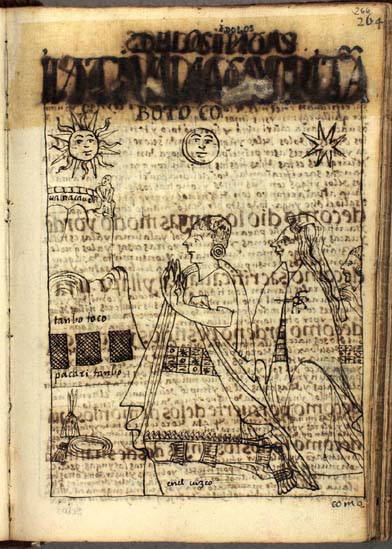
Illustration of the indigenous chronicler Guaman Poma de Ayala of Pacaritambo, a mythical place of origin composed of three caves on the mountain Tambotoco.
Photo credits: The Guaman Poma Website https://poma.kb.dk/permalink/2006/poma/266/en/text/?open=id13
In Quechua (the Inka’s lingua franca) paqariy meant ‘to dawn, to be born’, while tampu stands for ‘inn, lodge’.
According to Inka mythology, the first Inkas originated from this place.
The project will expand the identification of non-cotton fibres, testing whether a single plant was consistently used or whether different plants were selected for their tactile qualities.
Studies have suggested that parallel to the Inka standardising efforts, regional styles of khipu making were in place. Absence of provenience data significantly hinders our ability to understand whether morphological anomalies represent regional variations or semantic specificities within a shared centralised system.
PAKARInA aims to determine whether vegetal fibres functioned as standardised signs or reflected local traditions.
In doing so, this project will reveal regional traditions of khipu-making and support heritage justice by addressing khipu provenance.

PI:
Lucrezia Milillo, PhD. Anthropologist of material culture

András Stribik, PhD Student, University of St Andrews

